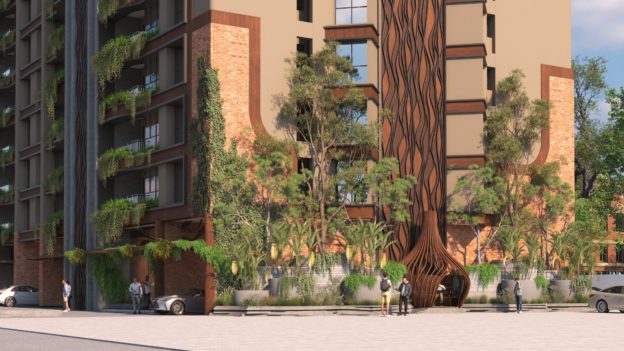
The Science Behind Longevity Architecture: 7 Pillars That Quietly Transform Everyday Life
Most homes are built to impress the eye.
Very few are built to protect the body.
That is the difference between conventional real estate and longevity architecture.
As cities become denser, stress levels rise, sleep quality declines, and lifestyles turn increasingly sedentary, the idea of “luxury living” is being redefined. Buyers today are beginning to ask deeper questions:
- Does this home improve my quality of life?
- Can my environment reduce stress?
- Will this space help my family feel healthier over time?
- Can architecture actually support longevity?
At The Living Blueprint, these questions shape the entire philosophy behind the project.
This is not just wellness design.
It is an ecosystem engineered around how human beings function physically, mentally, and emotionally.
What Is Longevity Architecture?
Longevity architecture is a science-backed approach to creating spaces that support long-term wellbeing.
It goes beyond aesthetics and focuses on how a built environment affects:
- Human energy
- Recovery
- Focus
- Sleep
- Emotional stability
- Physical movement
- Social connection
- Biological health
In simple terms:
It is architecture designed not just for living — but for thriving.
Unlike traditional developments that prioritize visual grandeur alone, longevity-focused healthy building concepts are centered around how residents actually feel every single day inside those spaces.
The 7 Pillars of Longevity Architecture at The Living Blueprint
1. Spaces That Help the Mind Slow Down
Modern urban living keeps the nervous system in a constant state of stimulation.
Traffic noise. Artificial lighting. Tight layouts. Digital overload.
Most homes unknowingly amplify stress instead of reducing it.
Longevity architecture changes this by creating environments that psychologically feel lighter, calmer, and more breathable.
At The Living Blueprint, spatial planning focuses on openness, visual balance, natural transitions, and emotional comfort — creating homes that feel restorative instead of overwhelming.
Because true luxury begins with peace of mind.
2. Architecture That Encourages Natural Movement
Most people today exercise separately from the way they live.
Longevity-focused wellness design integrates movement directly into everyday life.
Instead of forcing activity, the environment naturally encourages it through:
- Walkable pathways
- Open recreational zones
- Sports infrastructure
- Interactive outdoor spaces
- Community-driven activity environments
This transforms movement from a routine into a lifestyle.
The result is a healthier relationship between the body and the built environment.
3. Daylight as a Wellness Tool
Artificial indoor living has disconnected people from natural rhythms.
But the body still responds deeply to sunlight.
Natural daylight influences:
- Sleep cycles
- Mental sharpness
- Emotional stability
- Hormonal balance
- Energy levels
Longevity architecture treats light as biological infrastructure — not merely a decorative element.
At The Living Blueprint, wellness design principles prioritize natural illumination and indoor-outdoor harmony to create brighter, more uplifting living experiences.
4. Air That Feels Different the Moment You Enter
People rarely notice good air quality.
But they immediately feel the effects of poor air.
Fatigue, heaviness, irritation, headaches, and discomfort are often linked to indoor environments with inadequate ventilation and unhealthy materials.
Healthy building concepts now place enormous importance on breathable environments through:
- Cross ventilation
- Cleaner airflow
- Reduced indoor pollutants
- Nature-integrated planning
- Open breathing spaces
At The Living Blueprint, the atmosphere is designed to feel lighter, fresher, and more energizing — supporting everyday wellbeing quietly in the background.
5. Nature as Everyday Therapy
Urban life has created a dangerous separation between people and nature.
Yet humans are biologically wired to respond positively to greenery, water, open skies, and natural textures.
That’s why modern longevity architecture increasingly integrates:
- Landscaped ecosystems
- Green interaction zones
- Outdoor wellness areas
- Nature-connected experiences
- Biophilic design principles
At The Living Blueprint, nature is not an occasional escape.
It becomes part of everyday living.
6. Social Wellness Through Community Design
One of the most overlooked aspects of healthy living spaces is human connection.
Isolation has become one of the hidden side effects of modern city living.
Longevity-focused communities are designed to encourage:
- Interaction
- Shared experiences
- Active family lifestyles
- Community engagement
- Emotional wellbeing
The Living Blueprint creates an environment where wellness is experienced collectively — not individually.
Because healthier communities often create healthier individuals.
7. Intelligent Wellness Integration
The future of longevity architecture combines physical spaces with intelligent wellness ecosystems.
At The Living Blueprint, technology is integrated to support lifestyle optimization through:
- Wellness monitoring
- Longevity coaching
- Bio-feedback systems
- Smart wellness insights
- Performance-oriented living tools
This creates a home environment that adapts to modern wellbeing needs rather than remaining static.
The result is not just smart living.
It is conscious living.
Why Longevity Architecture Is Becoming the Future of Real Estate
Luxury buyers are evolving.
Today, people are no longer impressed by square footage alone.
They want environments that:
- Improve sleep
- Reduce stress
- Support healthier routines
- Enhance emotional wellbeing
- Create long-term lifestyle value
This is why longevity architecture and wellness-focused healthy building concepts are rapidly becoming the next frontier of premium real estate.
People are realizing that the quality of a home is not measured only by what it contains —
but by how it makes them feel over years of living inside it.
The Living Blueprint: Designed Around Human Wellbeing
The Living Blueprint at Ganga Legends County represents a new chapter in wellness-driven living in India.
A place where architecture is no longer passive.
A place where every surface, system, and space is designed with human wellbeing in mind.
Because the homes of the future will do more than shelter people.
They will help people recover better, live healthier, and experience life more fully — every single day.